
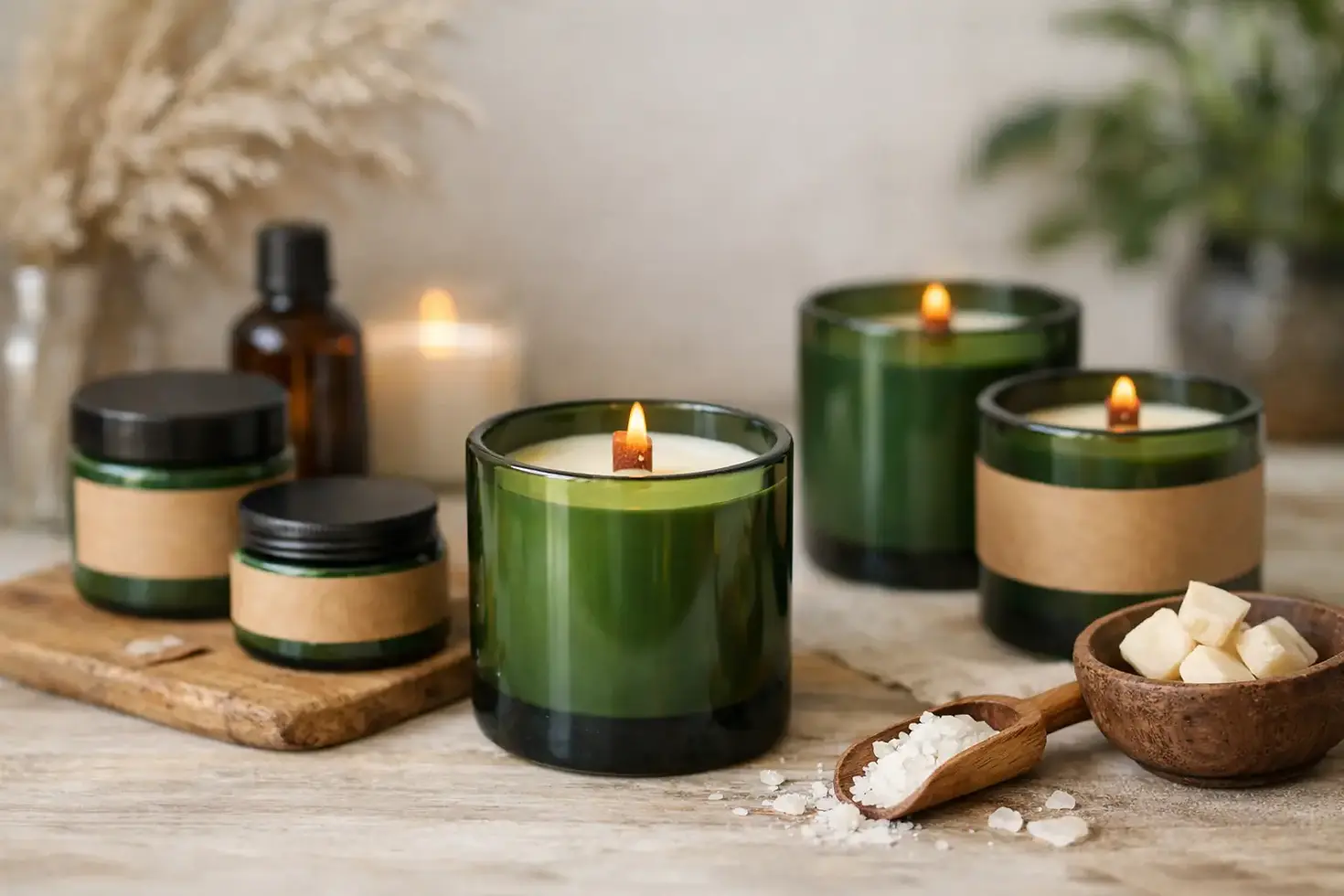
Small Batch Candle Buying Guide

A candle can make a room smell good. A well-made small-batch candle does something quieter and better - it shifts the mood of the whole evening. The crackle of a wooden wick, the soft pool of warm wax, the fragrance that feels less like perfume and more like a place you once knew. That is why this small batch candle buying guide matters. If you are choosing candles for comfort, ritual, gifting, or the simple pleasure of making home feel more like home, details matter.
Mass-market candles often ask you to shop fast: pick a label, pick a season, pick a jar. Small-batch candles ask for a little more attention, but they usually give more back. The fragrance tends to feel more intentional. The ingredients are often chosen with greater care. The presentation can feel pristine, carefully packaged, and worthy of a nightstand, entry table, or gift box.
What small-batch really means
In a useful sense, small-batch means a candle is made in limited quantities with closer attention to materials, scent balance, and finish. It does not automatically guarantee quality, but it often signals that the maker is more involved in each step, from testing wax performance to choosing vessels and wicks that burn well together.
That matters because candles are chemistry as much as aesthetics. A beautiful jar and a lovely name are only part of the story. Wax type, wick material, fragrance load, cure time, and pour temperature all affect how a candle burns and how it fills a room. In smaller production runs, makers can usually adjust more carefully and maintain consistency with greater intention.
For shoppers, the real value is not just exclusivity. It is a more personal experience. Small-batch candles often feel connected to memory, season, place, or ritual in a way that factory-made products rarely do.
A small batch candle buying guide for ingredient-conscious shoppers
If you care about what comes into your home, start with the wax blend. Many candle lovers prefer cleaner-burning blends over traditional paraffin-heavy options. Coconut, soy, apricot, beeswax, and thoughtfully formulated proprietary blends are all common in artisan candles. Each has trade-offs.
Soy wax is popular and often burns slowly, but not every soy blend throws fragrance the same way. Coconut-based blends can feel more luxurious and creamy, with excellent scent distribution, though they are usually more expensive. Beeswax burns beautifully and appeals to natural-minded shoppers, but it has its own natural honeyed scent that can change the fragrance profile. A custom blend can sometimes offer the best balance of clean burn, smooth appearance, and scent performance.
Then look at fragrance ingredients. “Clean” can mean different things from one brand to another, so it helps to read beyond the front label. A trustworthy maker will usually share what they avoid, such as phthalates or harsh additives, and give some clarity around whether a candle is vegan or cruelty-free if that matters to you.
Wicks deserve more attention than they get. Cotton wicks are familiar and dependable. Wooden wicks offer a soft crackle and a more intimate atmosphere that many people love for evening rituals. But they are not one-size-fits-all. A wooden wick can feel elevated and cozy, though it may need more careful trimming and proper first burns to perform at its best.
How to judge scent before you buy
Buying candles online can feel a little like buying a memory from a description. Sometimes that works beautifully. Sometimes “sea salt and orchid” arrives smelling like generic laundry detergent. The difference is usually in how a scent is described.
Look for fragrance notes that tell a story instead of throwing out a long list of trendy ingredients. Better candle descriptions give you a sense of mood, setting, and depth. Is the scent airy and clean, warm and resinous, soft and floral, or grounded with woods and amber? A thoughtful description should help you imagine not just the smell, but when you would burn it.
It also helps to understand scent structure. Top notes are what you notice first. Middle notes form the heart of the fragrance. Base notes linger longest and often shape the mood of the room. If you want a candle for winding down, heavier base notes like sandalwood, amber, tonka, cedar, or soft musk may feel more comforting than a bright citrus-forward blend. If you want something for mornings or kitchens, herbal, green, or fresh citrus scents often feel cleaner and lighter.
The best artisan candles do more than smell pleasant. They create emotional texture. Nostalgic fragrances, especially those tied to place, weather, gardens, coastal air, or familiar comforts, tend to feel more lived-in and memorable than trend-chasing scents.
Burn quality matters more than jar style
A candle can look stunning on a shelf and still tunnel, soot, or lose its scent after the second burn. That is why performance should carry as much weight as appearance.
When evaluating a small-batch candle, pay attention to burn time, vessel diameter, wick type, and the maker’s care instructions. A wider candle may produce a stronger scent throw, but only if the wick is sized correctly. A beautiful heavy jar can add to the luxury of the piece, though it does not guarantee a better burn.
Cold throw and hot throw are useful terms to know. Cold throw is how a candle smells before it is lit. Hot throw is how it performs once burning. Some candles smell strong in the jar and surprisingly faint in the room. Others open up slowly and become richer after the wax pool forms. If reviews mention both strength and consistency, that is a good sign.
You should also expect a few natural imperfections in artisan candles. Slight frosting in plant waxes, tiny surface variations, or minor differences from one pour to the next are not necessarily flaws. In many cases, they are evidence that the candle was made in small batches rather than manufactured for a perfectly uniform, plastic-looking finish.
When price is worth it - and when it is not
Small-batch candles often cost more, and sometimes they should. Better waxes, cleaner fragrance oils, careful testing, hand-pouring, elevated packaging, and lower production volume all affect price. A candle that burns evenly, scents a room beautifully, and feels like part of your ritual often delivers more value than a cheaper candle you stop using halfway through.
Still, price alone is not proof of craftsmanship. If a candle is expensive but the brand shares almost nothing about ingredients, burn quality, or scent philosophy, you may be paying for branding more than experience.
A fair question to ask is this: does the candle feel intentional in every part of the experience? That includes scent development, vessel design, wick choice, ingredient clarity, and packaging. A good small-batch candle should feel considered, not merely expensive.
The best candle for you depends on how you use it
This is where any small batch candle buying guide should slow down. The right candle is not always the strongest or the most luxurious-looking. It depends on the room, the moment, and what you want fragrance to do.
For a bedroom or bath ritual, softer scents and a gentler throw usually work better than bold, room-filling blends. For open living spaces, you may need a wider vessel or a stronger fragrance profile to notice it. If you burn candles during work hours, cleaner, quieter scents often support focus better than gourmand or heavily spiced options.
Gift buying changes the equation too. If you are choosing for someone else, look for fragrances with broad appeal, elegant packaging, and a mood that feels comforting rather than risky. This is where artisanal brands often shine. They understand that gifting is not just about the product, but the feeling of receiving something thoughtfully chosen and carefully packaged.
For shoppers who value clean luxury, the sweet spot is often a candle that feels sensorial and refined while still being transparent about ingredients and standards. That balance is part of what makes artisan home fragrance so compelling.
Questions to ask before you check out
Before buying, it helps to pause for a few simple questions. What is the wax made from? What kind of wick does it use? How is the scent described? Is the brand clear about ingredients and care? Does the candle feel aligned with your space and routine, or are you buying a label more than a product?
If a brand treats fragrance like storytelling and craftsmanship like a practice, that usually comes through. You can feel it in the naming, the descriptions, the finish, and the confidence of the product details. Brands like Gemini Ivy build that experience with intention, which is often what people are really searching for when they choose small-batch over mass-produced.
A candle should earn its place in your home. Choose one that burns beautifully, smells like something real, and gives you a reason to slow down and breathe deep when the match is struck.


Comments