
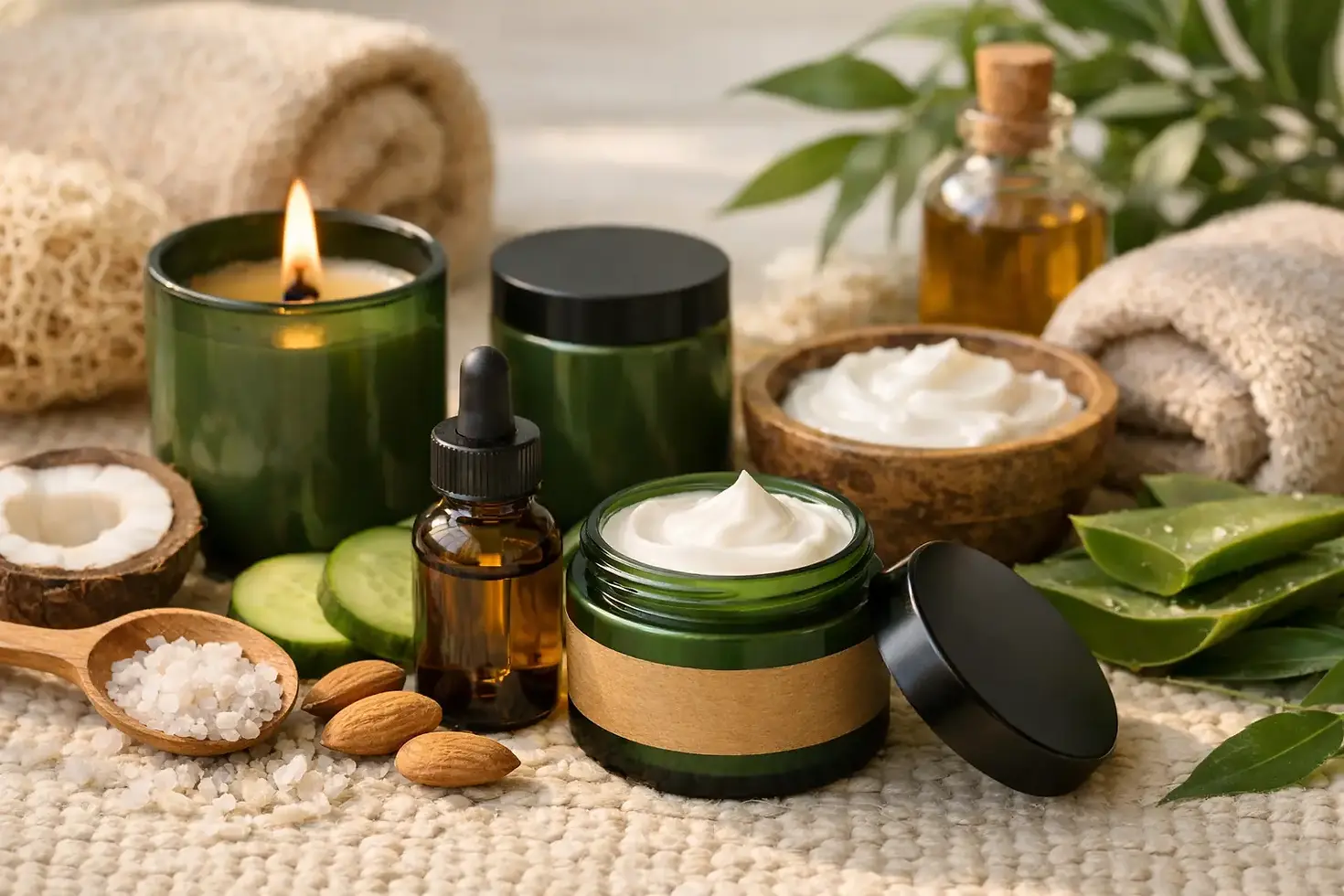
A Guide to Moisturizing Dry Skin Naturally
- Mesha Kemp
- Apr 21
- 6 min read

Dry skin has a way of asking for attention at the worst times - right after a hot shower, in the middle of winter, or halfway through the day when your hands start to feel tight and papery. A good guide to moisturizing dry skin naturally is not really about chasing a quick fix. It is about creating a gentler ritual that helps skin hold onto comfort, softness, and calm.
Natural moisture support starts with a simple truth: dry skin is not just skin that needs more product. It is skin that may be losing water too quickly, missing enough oil to cushion the surface, or reacting to habits that quietly wear down its barrier. That is why some lotions seem to disappear in minutes while your skin still feels thirsty. The goal is not to coat the skin and hope for the best. The goal is to help it stay balanced.
What dry skin is really asking for
When skin feels rough, flaky, tight, or easily irritated, it is usually signaling that its protective barrier needs support. Healthy skin keeps water in and environmental stress out. Dry skin struggles with both. Cold air, indoor heat, long hot showers, harsh soaps, and over-exfoliation can all leave it more vulnerable.
There is also a difference between dry skin and dehydrated skin. Dry skin lacks oil, while dehydrated skin lacks water. You can have both at once, which is why a thoughtful moisturizing routine matters. If you only use lightweight hydration without richer emollients, that water can evaporate quickly. If you only use heavy butters without any hydration underneath, skin may feel coated but not truly refreshed. The best natural approach usually layers both.
A guide to moisturizing dry skin naturally starts with timing
The moment after bathing matters more than most people realize. Skin loses moisture fastest when water on the surface evaporates. That is why applying body oil, butter, or cream to slightly damp skin often works better than applying it hours later to fully dry skin.
Think of it as sealing in comfort while the skin is still receptive. Pat dry instead of rubbing, then apply your moisturizer while your skin still feels lightly dewy. This one habit can make a noticeable difference, especially on legs, elbows, and hands.
Hot water is another place where good intentions can backfire. A steaming shower can feel restorative, but it can also strip away the very oils your skin needs to stay supple. If dryness is persistent, shorter warm showers are usually kinder than long hot ones. It is a small adjustment, but often a meaningful one.
The natural ingredients that do the most good
Not every natural ingredient works the same way, and that is where many routines get muddy. Some ingredients draw water in, some soften and smooth, and some create a breathable seal that helps prevent moisture loss.
Butters are especially helpful for skin that feels thin, rough, or seasonally stressed. Shea butter is deeply cushioning and well-loved for its rich, protective feel. Mango butter is a little lighter but still nourishing, with a smooth finish that works beautifully in body care. Coconut oil can help soften skin and reduce that dry, ashy look, though it feels best for many people when blended with other ingredients rather than used alone.
Plant oils also play an important role. Jojoba oil is known for its balanced feel and compatibility with many skin types. Sweet almond oil and sunflower oil can help soften without making the skin feel suffocated. The best formulas tend to combine butters and oils so you get both comfort and spreadability instead of something too greasy or too thin.
If your skin is extremely dry, ingredient synergy matters. A blend such as mango butter, coconut oil, and shea butter offers a beautiful middle ground - rich enough to protect, but still elegant enough to become part of a daily ritual rather than a chore. That is often the difference between products you admire and products you actually use consistently.
Why "natural" still requires discernment
Natural does not automatically mean gentle for everyone. Essential oils, botanical extracts, and raw ingredients can still irritate sensitive skin, especially when the barrier is already compromised. If your skin stings, turns red easily, or flares up with fragranced products, simpler formulas may be the better choice.
That does not mean you need to avoid every scented or botanical body product forever. It means paying attention to context. Skin may happily tolerate a beautifully fragranced body butter on arms and legs but prefer an unscented option on cracked hands or irritated patches. It depends on your skin, the season, and the condition of your barrier that day.
Patch testing is worth the extra minute. Apply a small amount to one area for a day or two before using something all over. It is not glamorous advice, but it is a kind one.
The best way to build a natural moisturizing ritual
If your routine feels scattered, simplify it. Cleanse gently, keep shower time reasonable, and moisturize within a few minutes of bathing. That basic rhythm handles a surprising amount of dryness.
Then match texture to need. Lightweight body oil works well when your skin is only mildly dry or when you want a silky finish in warmer weather. Body butter is often better for winter, overnight care, or areas that stay rough no matter what you do. Creams and lotions can be ideal for daytime if you want something less rich under clothing.
You can also layer. Start with a little moisture from damp skin, then apply oil or butter to seal it in. For very dry areas like heels, knees, and elbows, a thicker layer before bed can feel transformative by morning. Cotton socks or gloves can help, though not everyone enjoys sleeping in them.
Consistency matters more than intensity. Using a nourishing product once a week will not do what a simple daily ritual can. Skin responds well to regular care, especially when it is not being stripped and overcorrected at the same time.
Habits that quietly make dry skin worse
Sometimes the product is not the problem. Foaming cleansers, heavily fragranced soaps, aggressive scrubs, and frequent exfoliation can all keep skin stuck in a dry cycle. If your skin feels squeaky after cleansing, that is usually not a sign of purity. It is often a sign that your barrier needs a gentler touch.
Low humidity can also work against you, particularly in winter or in air-conditioned spaces. If your skin seems drier no matter how much butter you apply, the air in your home may be part of the story. A humidifier can help some people, though results vary depending on climate and how dry the skin is to begin with.
And then there is the temptation to keep switching products. When skin feels uncomfortable, it is easy to buy three new things in one week. But if you are constantly changing formulas, it becomes harder to tell what is helping. A steady routine usually reveals more than a crowded shelf.
When dry skin needs more than moisture
There are times when dryness is not just cosmetic. If skin is cracking, itching intensely, becoming inflamed, or developing persistent rash-like patches, a simple body butter may not be enough. Conditions like eczema, dermatitis, or allergic reactions can mimic ordinary dryness but need a different approach.
That is not a failure of natural skincare. It is simply a reminder that skin is part of your overall well-being. Sometimes the kindest next step is professional guidance, especially if discomfort keeps returning.
Choosing products that feel good and do good
The most satisfying body care is not only effective. It is pleasant enough to make daily care feel grounding. Texture matters. So does scent. So does the quiet reassurance of knowing the formula was made with intention.
For many people, moisturizing becomes more consistent when it feels less clinical and more personal - a soft finish after an evening bath, a familiar fragrance that settles the mind, a jar on the vanity that makes care feel inviting instead of obligatory. That is where clean, small-batch body care can feel especially meaningful. Thoughtful blends, carefully chosen botanicals, and rich ingredients can turn a basic step into something restorative.
A guide to moisturizing dry skin naturally is, at heart, a guide to paying closer attention. Notice when your skin feels best, which textures it welcomes, and which habits leave it depleted. Let moisture be something you return to gently, the way you return to a favorite room, a warm light, or a familiar scent that brings you home.
Your skin rarely asks for perfection. Most of the time, it simply responds to steady care, a softer approach, and the kind of ritual that makes you want to slow down and stay awhile.


Comments